
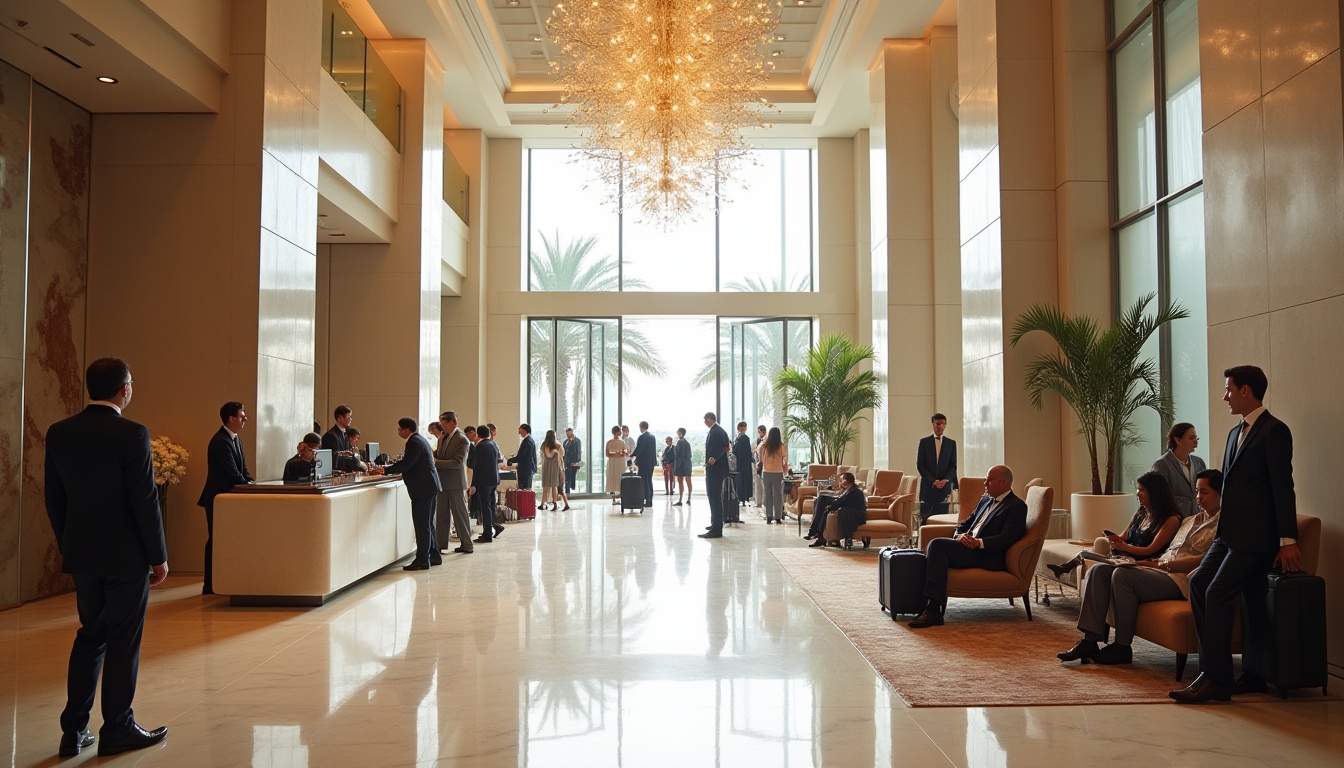
When guests step into a hotel, the first thing they notice isn’t always the chandelier, the scent, or the receptionist’s smile. Sometimes, it’s the music.
A well-curated playlist in the hotel lobby can set the mood, influence guest emotions, and even impact how long they stay—or how likely they are to book again.
In the hospitality industry, small details often create the biggest impact. This is where understanding the psychology of music becomes a valuable tool, especially when combined with modern tools like a hotel management system that allows hotels to align atmosphere with brand identity and operational goals.
Music is more than background noise—it’s a silent storyteller. In hotels, it:
Sets the tone: Upbeat jazz creates energy, while soft piano signals elegance.
Influences behavior: Guests linger longer in spaces with the right music.
Reflects brand identity: Luxury hotels may choose classical or ambient tunes, while boutique hotels lean toward indie or local sounds.
Just like interior design, music is part of the hospitality experience. Guests may not remember the exact playlist, but they will remember how it made them feel.
Research has shown that music influences the release of dopamine, the “feel-good” chemical in the brain. In hotel settings:
Slow-tempo music makes guests feel relaxed, ideal for lobbies and lounges.
Fast-tempo music increases energy, fitting for restaurants or pool areas.
Familiar tunes create a sense of comfort and belonging.
By understanding these psychological cues, hotels can craft experiences that feel intentional and memorable.
The guest experience is a journey—from arrival, check-in, to their stay. Music plays a subtle but powerful role:
Arrival – First impressions matter. A curated playlist sets expectations.
Check-in process – Calming music reduces stress after travel fatigue.
Lobby waiting time – Engaging background music keeps guests from feeling impatient.
Return visits – A consistent music identity builds brand memory.
While playlists set the mood, a hotel management system ensures consistency and integration. For example:
Linking guest feedback with music selection trends.
Scheduling playlists by time of day or occupancy level.
Aligning music identity with seasonal campaigns or events.
This synergy allows hotels not only to manage rooms and reservations but also to manage the overall ambiance.
Also Read: "Optimizing Non-Room Revenue In The Hospitality Industry"
Luxury Resorts: Often use instrumental or spa-like playlists to create calmness and exclusivity.
Urban Boutique Hotels: Prefer upbeat, modern tracks to appeal to younger travelers.
Business Hotels: Choose neutral, non-distracting background music to maintain professionalism.
Match playlist with brand values – A beach resort shouldn’t use heavy metal.
Update playlists regularly – Fresh sounds show attention to detail.
Test guest reactions – Use surveys or analyze lobby dwell time.
Integrate with your hotel management system – Automate and standardize playlists across properties.
Music in hotel lobbies is not just background entertainment—it’s part of the guest experience strategy. When combined with modern tools like a hotel management system, hoteliers can create atmospheres that increase guest satisfaction, strengthen brand identity, and encourage direct bookings.
So, the next time you walk through a hotel lobby and feel instantly relaxed or energized, remember: it’s not by accident—it’s by design.
Anyaman is a holding company that provides solutions for the hospitality, hotel, villa & service apartment industry in the fields of Hotel Management, Information Systems & Technology and Business Development, which was founded in early 2024, in order to respond to the rapid development of tourism in general and hospitality in particular in Indonesia today
