
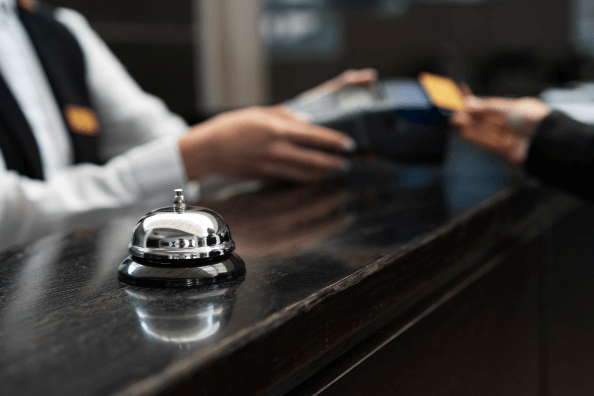
Managing hotels during low season is a challenge often faced by hotel industry players. When the number of tourists decreases, occupancy rates are also affected, which can impact overall hotel revenue. However, low season does not mean business has to slow down completely. With the right strategy, you can keep occupancy levels stable. Here are some tips that can be applied:
Promotional packages are an effective way to attract guests during low season. You can offer special discounts, *staycation* deals, or bundling packages such as "Stay 3 Nights Pay 2 Nights". Promotions like this provide added value to guests and encourage them to choose your hotel over competitors. Also add an *all-inclusive* package that includes food, activities or spa services. This strategy not only increases occupancy but also encourages guests to spend more during their stay.
Low season is the right time to build collaborations with local businesses. For example, collaboration with restaurants, tourist attractions, or tour management companies. You can create a tour package that includes accommodation and unique local experiences. For example, if your hotel is located close to a natural tourist destination, create a trekking or *eco-tourism* package with a local guide. This not only increases the value of the guest experience but also strengthens relationships with the surrounding community.
When international tourists decrease, the local market could be a solution. Promote your hotel as a *staycation* place for families, couples or individuals looking for a short escape from routine. In addition, strengthen offers for the corporate segment. Many companies still hold meetings, training or *team-building* outside the office, even in low season. Make sure facilities such as meeting rooms, fast Wi-Fi, and catering services are optimal to meet their needs.
Don't underestimate the power of social media in promoting your hotel, especially in low season. Create creative content, such as hotel tour videos, guest testimonials, or special promotions available only to social media followers. Additionally, pay attention to reviews on platforms like TripAdvisor and Google Reviews. Prompt and professional responses to guest reviews can improve your hotel's online reputation, ultimately attracting more potential guests.
Dynamic pricing allows you to adjust room rates according to market demand. In low season, you can lower prices slightly to attract guests without sacrificing profit margins. Use historical data and trend analysis to determine optimal prices. Don't forget, offering lower prices does not mean reducing service quality. Make sure guests continue to have a satisfying experience so they want to come back another time.
A satisfying guest experience can be a *game-changer* during low season. When guests are satisfied, they are more likely to recommend your hotel to others, whether through word of mouth or online reviews. Focus on small details like a warm welcome at check-in, little surprises in the room like chocolate or fresh fruit, to proactive customer service. It's a small investment that can pay off big in the long run.
Create reasons for guests to stay at your hotel by hosting special events or seasonal activities. For example, you could host local cooking classes, karaoke nights, or live music performances. If your hotel's location allows, promote outdoor activities such as cycling, hiking or picnicking. This event not only attracts guests but also increases additional income from the services you offer.
Email marketing is one of the most cost-effective ways to reach customers. Send promotional emails to guests who have stayed overnight, containing special offers or exclusive packages for low season. Segment your emails based on customer preferences. For example, send a family offer for guests who previously stayed with children, or a *romantic getaway* package for couples. More personalized messages tend to generate better responses.
Loyalty programs can be an effective tool for increasing customer retention. Award points for every night stayed or service purchased at your hotel, which can be exchanged for discounts, room upgrades, or other prizes. Guests who feel appreciated tend to return more often, even in low season. Additionally, the program also provides valuable data about customer preferences that can be used for future marketing strategies.
Lastly, make sure you always monitor the results of each strategy implemented. Use occupancy data, revenue, and guest feedback to evaluate the effectiveness of your strategy. With regular monitoring, you can quickly adjust your tactics if something doesn't go according to plan. Flexibility and adaptation are key to remaining competitive in the hospitality industry, especially during low season.
Low season is not the end of everything. With proper planning and execution, your hotel can still maintain stable occupancy levels. From creative promotions, local collaborations, to improved guest services, every small step can have a big impact. The key is to understand market needs and continue to innovate to provide the best experience for guests. To ensure all these strategies run optimally, working with Anyaman Hospitality can be the best solution. With decades of experience in the hotel industry, Anyaman not only provides a capable hotel management system but also acts as an operator to quickly identify and fix operational challenges. With Anyaman, your hotel can continue to grow and remain competitive, even during low season.
Anyaman is a holding company that provides solutions for the hospitality, hotel, villa & service apartment industry in the fields of Hotel Management, Information Systems & Technology and Business Development, which was founded in early 2024, in order to respond to the rapid development of tourism in general and hospitality in particular in Indonesia today
